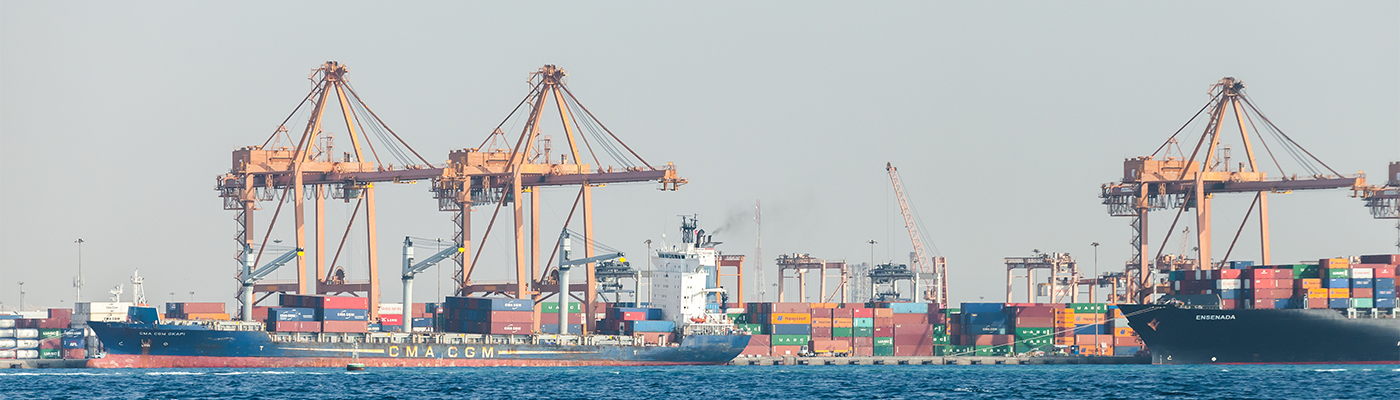
Saudi Arabia's transformation into a global logistics and investment hub is well underway. As Vision 2030 continues to reshape the Kingdom's economy, businesses are seeing significant investments in transport infrastructure, industrial zones, digital trade and customs modernisation.
However, alongside these opportunities comes a rapidly evolving regulatory landscape. Recent amendments to customs procedures, bonded zone rules and customs administration, together with increased post-clearance audit activity by the Zakat, Tax and Customs Authority (ZATCA), highlight that customs compliance is becoming an increasingly strategic business priority.
For businesses importing, manufacturing or distributing goods within Saudi Arabia, these developments extend far beyond logistics. They affect tax compliance, financial reporting, governance and operational resilience.
Why is customs becoming a strategic business issue?
Historically, customs was often viewed as an operational function managed by logistics teams or customs brokers. Today, the landscape has changed. Saudi Arabia's ambitions to become one of the world's leading logistics centres require faster border processes, greater digitalisation and stronger compliance standards. As part of this transformation, ZATCA continues to modernise customs administration while strengthening audit capabilities and enhancing post-clearance controls.
Rather than focusing solely on border inspections, customs authorities increasingly assess whether businesses maintain appropriate records, correctly classify imported goods and accurately calculate customs duties. For many organisations, customs compliance is therefore becoming a governance issue that requires collaboration across procurement, finance, tax, legal and supply chain functions.
How are customs reforms supporting Vision 2030?
Saudi Arabia's Vision 2030 places logistics at the centre of economic diversification. The Kingdom continues investing in ports, industrial cities, Special Economic Zones, airports and transport corridors designed to strengthen regional and international trade. These investments are supported by customs reforms aimed at improving efficiency while maintaining robust regulatory oversight.
Recent amendments approved by ZATCA introduce updates to customs procedures and bonded zone regulations, supporting more efficient movement of goods while clarifying compliance obligations for businesses operating within customs-controlled environments.
At the same time, Saudi Arabia continues expanding its Authorised Economic Operator (AEO) programme, offering qualifying businesses benefits such as faster customs clearance and enhanced customs facilitation. Together, these initiatives reinforce Saudi Arabia's ambition to become a leading global logistics platform connecting Asia, Europe and Africa.
What do these developments mean for importers and manufacturers?
For businesses, customs reforms create both opportunities and responsibilities. Manufacturers importing raw materials should review whether product classifications, customs values and supporting documentation remain accurate under evolving customs requirements. Construction companies, retailers, healthcare providers, automotive businesses and industrial manufacturers should similarly assess whether internal customs processes remain fit for purpose.
As customs authorities increasingly rely on digital data and post-clearance audits, inaccuracies that previously went unnoticed may now be identified more efficiently. Businesses should therefore consider customs compliance as an ongoing process rather than a transactional activity completed when goods enter the Kingdom.
What tax considerations should businesses evaluate?
Changes to customs values may influence inventory costs, procurement strategies and profitability. Businesses should also ensure that customs documentation aligns with transfer pricing policies where imported goods are purchased from related parties. Organisations operating across multiple jurisdictions should periodically review whether customs values remain consistent with intercompany pricing arrangements and commercial substance.
For businesses subject to excise tax, changes to customs treatment may also influence the taxation of imported products. A coordinated approach between customs, tax and finance teams helps reduce compliance risks while supporting more effective decision-making.
What customs risks should importers and logistics companies review?
As customs authorities continue expanding digital controls and post-clearance audit activity, businesses should ensure that their customs governance remains robust.
Common areas of risk include:
Incorrect HS classification
Product classification determines customs duties, import requirements and regulatory obligations.
Businesses introducing new products, changing suppliers or expanding into new markets should periodically review whether existing HS classifications remain appropriate.
Customs valuation
Declared customs values should accurately reflect commercial arrangements and supporting documentation.
For multinational groups importing goods from related entities, customs valuation should be reviewed alongside transfer pricing policies to minimise inconsistencies between customs and tax positions.
Documentation controls
Businesses should maintain consistency between purchase agreements, invoices, shipping documentation, customs declarations and accounting records.
Strong documentation supports efficient customs clearance and reduces the likelihood of adjustments during post-clearance reviews.
Bonded zone compliance
Businesses operating within bonded zones should ensure that inventory movements, customs records and operational procedures remain aligned with applicable customs requirements, particularly following the latest regulatory amendments.
How can BDO Saudi Arabia help?
BDO Saudi Arabia supports businesses navigating the interaction between logistics growth, customs requirements, tax obligations and financial governance.
Frequently asked questions
Is Saudi Arabia part of the GCC Railway network?
Yes. Saudi Arabia is a key participant in the GCC Railway project and is also expanding its domestic rail infrastructure. Together, these investments are expected to strengthen freight connectivity across the GCC.
Why is Saudi Arabia's logistics strategy important for businesses?
The National Transport and Logistics Strategy aims to position Saudi Arabia as a global logistics hub by improving connectivity, expanding logistics infrastructure and supporting international trade.
What customs issues should businesses in Saudi Arabia review?
Businesses should focus on HS classification accuracy, customs valuation, Rules of Origin, documentation quality and consistency between customs declarations and financial records.
Has Saudi Arabia introduced changes to customs procedures?
Yes. In 2026, ZATCA approved amendments to customs procedures and bonded zone regulations, reinforcing customs compliance requirements while supporting trade facilitation.